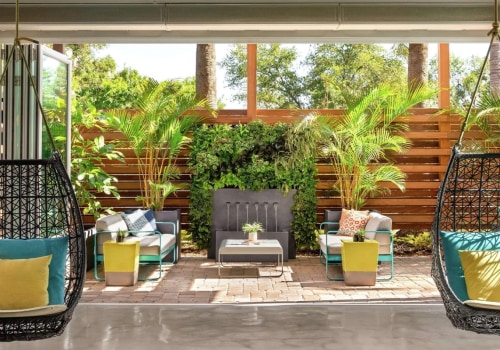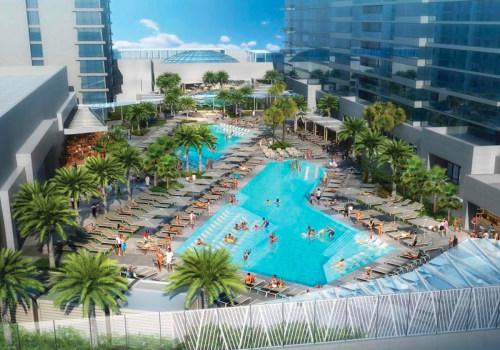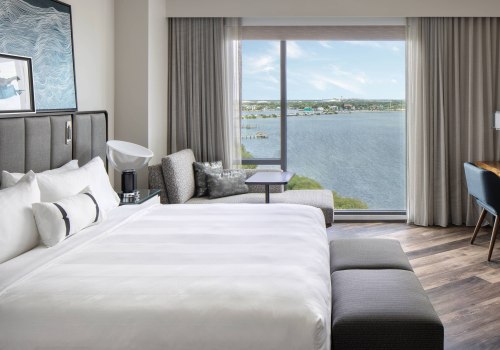
For decades, traditional ballrooms served as the centerpiece of hotel event offerings. These large, formal spaces hosted weddings, corporate banquets, conferences, galas, and community celebrations, making them essential amenities for hospitality properties. However, hotels throughout Tampa, Florida, are increasingly shifting their focus toward flexible multi-purpose spaces rather than relying solely on conventional ballroom designs. This trend reflects changing guest expectations, evolving event formats, and a growing demand for versatility. While ballrooms continue to play an important role in the hospitality industry, many hotels now recognize that adaptable spaces can accommodate a wider variety of events and generate greater long-term value.
Responding to Changing Event Preferences
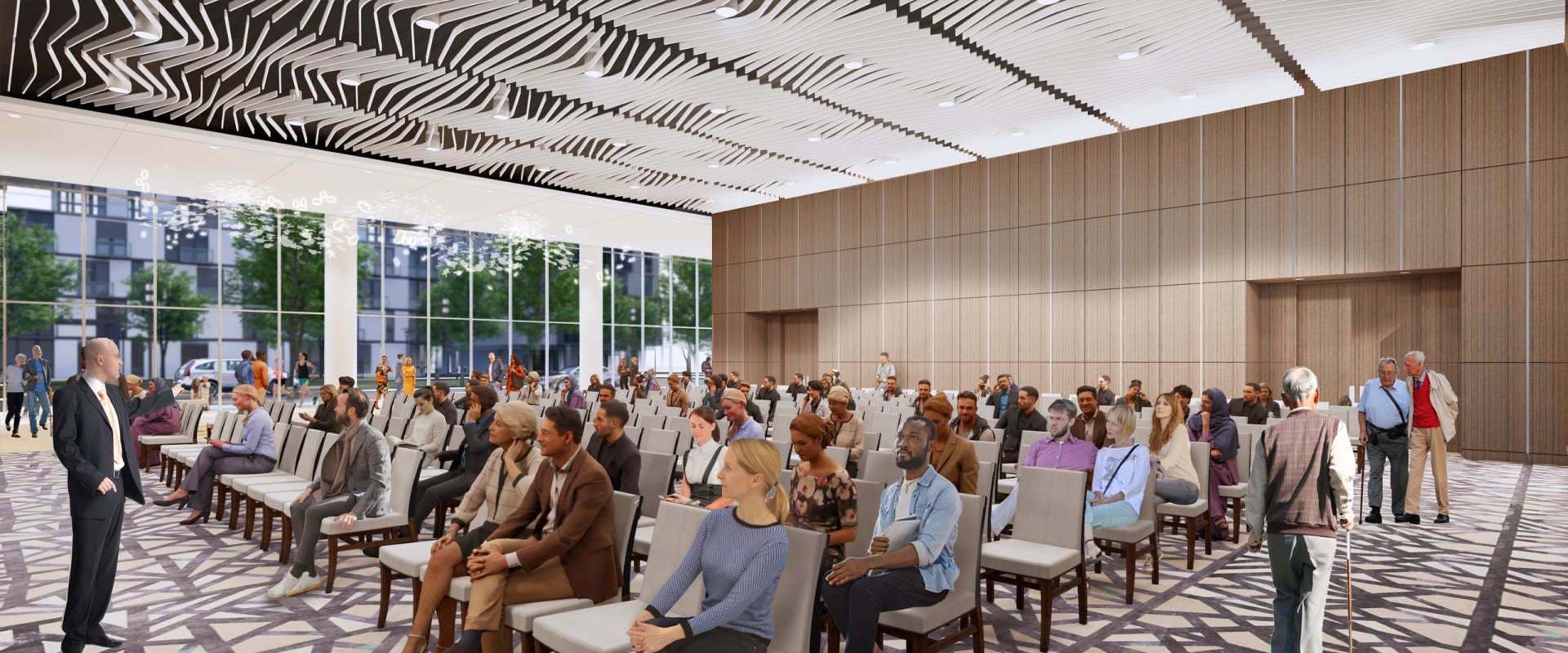
One of the primary reasons for this shift is the changing nature of events themselves. Modern gatherings are often less formal than those of previous generations. Corporate clients may prefer collaborative meeting environments, networking lounges, breakout spaces, and hybrid event setups rather than traditional banquet-style seating. Social events have also evolved, with many hosts seeking unique layouts, interactive experiences, and personalized event designs. Multi-purpose spaces allow hotels to accommodate these preferences more easily than fixed ballroom configurations. The ability to quickly transform a room from a seminar space into a cocktail reception area or networking venue provides significant flexibility for both clients and venue operators.
Maximizing Space Utilization
From a business perspective, versatility improves operational efficiency. Traditional ballrooms are often designed for large-scale events, but they may sit unused when demand for those events is low. Multi-purpose spaces, on the other hand, can accommodate a broader range of functions, including meetings, workshops, training sessions, private dinners, community gatherings, and social celebrations. This flexibility allows hotels to increase booking opportunities throughout the year. Rather than relying on a limited number of large events, properties can serve multiple client segments and adapt spaces to meet changing market demands. As a result, hotels can maximize revenue potential while making more efficient use of available square footage.
Supporting Hybrid and Technology-Driven Events
The rise of virtual and hybrid events has also influenced hotel design strategies. Many organizations now seek venues capable of supporting in-person and remote participation simultaneously. Multi-purpose spaces often incorporate advanced technology infrastructure, flexible seating arrangements, and adaptable staging options that accommodate these requirements more effectively than traditional ballrooms. Hotels that invest in flexible event environments are better positioned to serve modern business clients who value connectivity, customization, and technological integration. This adaptability helps properties remain competitive in an increasingly dynamic event market.
Creating More Personalized Guest Experiences
Another factor driving the popularity of multi-purpose spaces is the growing emphasis on personalization. Event hosts increasingly want environments that reflect their unique vision rather than conforming to a standard ballroom layout. Flexible venues allow planners to customize décor, seating arrangements, activity zones, and guest experiences according to specific needs. Whether hosting a corporate retreat, wedding reception, product launch, or community event, clients often appreciate the ability to create spaces that feel distinctive and memorable. Hotels that offer greater customization options are frequently viewed as more attractive event destinations.
The Importance of Event Support Services
As flexible event spaces become more common, support services play an increasingly important role in helping organizers bring their vision to life. Adaptable venues often require specialized equipment, furnishings, décor, and logistical coordination to maximize their potential. Event professionals and rental providers contribute valuable expertise by helping transform open spaces into functional and engaging environments. Companies such as A Party 2 Remember exemplify the type of event support that can enhance venue flexibility by providing resources that help organizers create customized experiences tailored to their specific goals.
Looking Toward the Future of Hospitality
The growing investment in multi-purpose spaces reflects a broader shift in how Tampa hotels approach event hosting. Flexibility, personalization, technological readiness, and efficient space utilization have become increasingly important priorities for both venues and clients. While traditional ballrooms remain valuable assets, adaptable event environments offer hotels the ability to meet a wider range of needs in a rapidly changing marketplace. As guest expectations continue to evolve, multi-purpose spaces are likely to play an even greater role in shaping the future of hospitality and event planning throughout Tampa.